What Are the 3 Biggest Airports in the US?
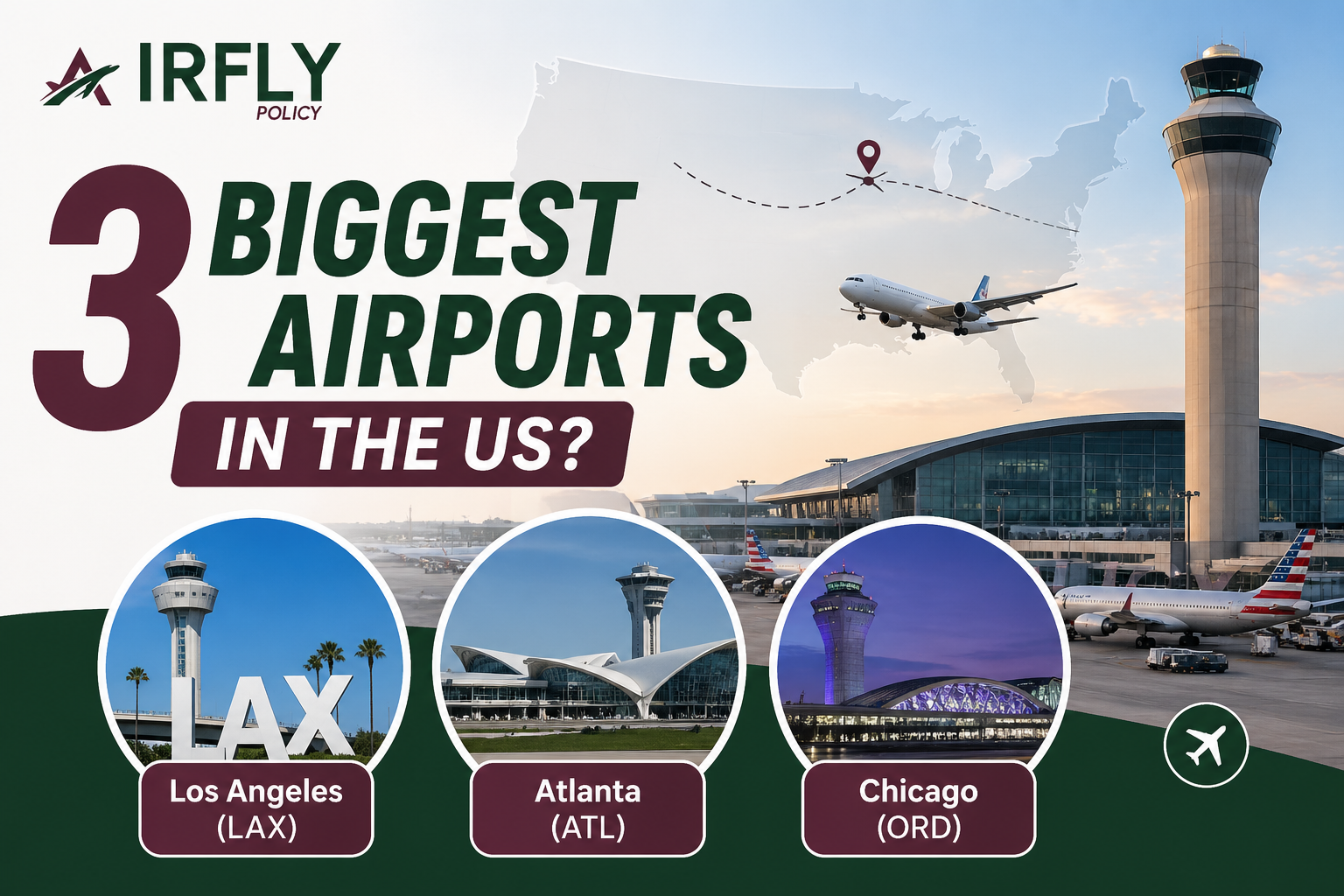
When travelers ask “which is the largest airport in US”, they’re usually referring to airport size by land area rather than passenger traffic. The United States is home to some of the biggest aviation hubs in the world, offering vast infrastructure, multiple runways, and extensive facilities. In this blog, we’ll explore the top three largest airports in the country and how they compare globally.
1. Denver International Airport
Denver International Airport is widely recognized as America's biggest airport by land size. Opened in 1995, it is not only the largest in the U.S. but also ranks among the largest airports in the world. Its massive footprint allows room for future expansion, additional runways, and efficient air traffic management.
The airport is known for its iconic tent-like roof design and extensive runway system, making it a major hub for domestic and international travel.
2. Dallas/Fort Worth International Airport
Coming in second, Dallas/Fort Worth International Airport is one of the busiest airports in the world. It serves as a major hub for airlines like American Airlines and connects passengers globally.
This airport is larger than the entire island of Manhattan, highlighting just how significant it is in both size and operations. Its central U.S. location makes it a key connecting point for cross-country and international flights.
3. Orlando International Airport
Rounding out the top three is Orlando International Airport. Known for serving millions of tourists heading to Florida’s theme parks, this airport combines size with high passenger traffic.
Its continuous development and expansions have helped it maintain a spot among the biggest airport in United States rankings.
How Do These Airports Compare Globally?
While these airports dominate in the U.S., globally they compete with giants like King Fahd International Airport, which is the largest airport in the world by land area. Still, U.S. airports stand out for their advanced infrastructure, connectivity, and operational efficiency.
Why Airport Size Matters
Airport size isn’t just about land—it impacts:
- Capacity for flights and passengers
- Future expansion opportunities
- Efficiency in handling delays and congestion
Large airports like Denver and Dallas/Fort Worth are built to handle increasing travel demand while maintaining smooth operations.
FAQs
Q1: Which is the largest airport in US?
The largest airport in the U.S. by land area is Denver International Airport.
Q2: What is America’s biggest airport by passenger traffic?
That title often goes to Hartsfield-Jackson Atlanta International Airport, not by land but by passenger volume.
Q3: Are the largest airports also the busiest?
Not always. Some large airports have more land for expansion, while smaller ones may handle more passengers.
Q4: Why are U.S. airports so large?
They are designed with future growth in mind, allowing room for additional runways and facilities.
Related post: Which US Airport Covers the Most Land Area?